Summer HTM Staffing Solutions
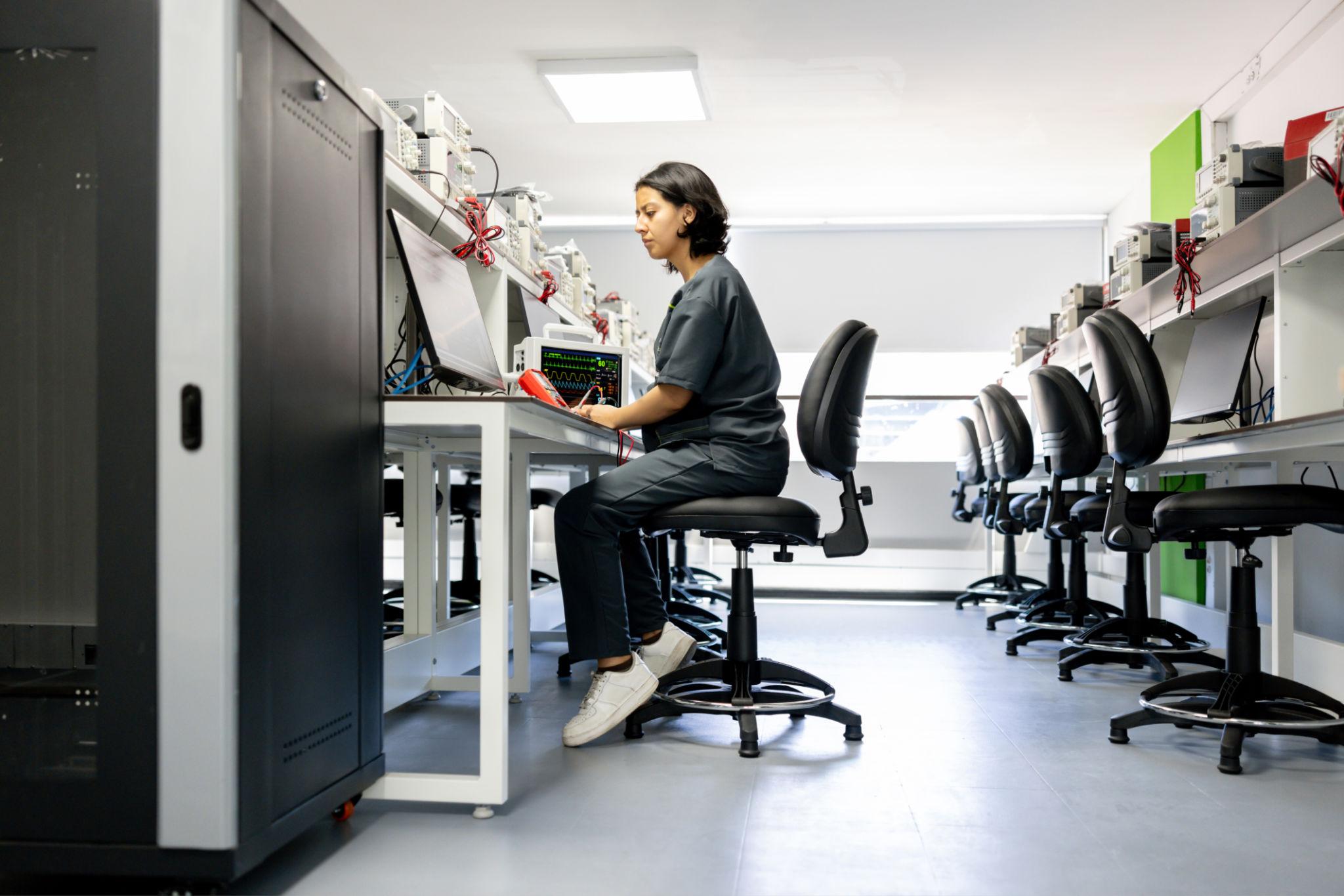
How Hospitals Address Summer Staffing Gaps with Flexible HTM Support
It's the Saturday night of Fourth of July weekend and the emergency department is full of trauma patients. Your lead imaging engineer is off. One biomedical technician is out sick and another retired two weeks ago. To top it all off, a portable X-ray unit just went down. Your on-call team needs someone with the right training and vendor documentation to get it running tonight. Waiting until Monday isn't an option.
Scenarios like that play out in hospitals every summer. There's no single, predictable surge in admissions. The increase is uneven, so certain departments see more patients while the teams responsible for keeping equipment running are thinner than at any other time of the year. When those two realities overlap, devices stay down longer and patient care can be impacted.
Where Summer Puts the Most Pressure on HTM Teams
Summer doesn't mean every team slows down. Emergency departments, orthopedic services, burn units, and urgent care centers tend to see more seasonal activity driven by outdoor injuries, recreational trauma, heat illnesses, and water-related incidents. Plus, with children out of school and spending more time outdoors, pediatric emergency departments treat more patients.
A study published in November found that often volume positively correlates with summer months and warmer temperatures. Another study done by the CDC recorded that, "Orthopedic trauma volume found that consult volume positively correlated with summer months and warmer temperatures. Heat illness adds to that seasonal strain. CDC recorded 119,605 heat-related illness emergency department visits in 2023, with 92% occurring during May through September; July and August had heat-related ED visit rates more than three times those seen in May, June, and September. Fireworks create another predictable summer spike: CPSC reported 14,700 fireworks-related injuries in 2024, with burns accounting for 37% of emergency room visits."
The departments seeing the most summer volume are often the same ones running the most critical equipment. Imaging systems and life-support devices in those areas can't go down without immediate consequences. When the team responsible for maintaining technology is stretched, failures take longer to fix and impact patient care.
Regulatory and Financial Consequences of Coverage Gaps
Even well-prepared hospitals face risk when summer thins out their healthcare technology management (HTM) staffing coverage. The equipment that matters most needs on time preventive maintenance, and a clear plan for responding to critical failures. When those elements are missing, patient safety becomes harder to protect. Equipment failures can slow clinical decisions for emergency, trauma, and orthopedic patients. Remaining staff members pick up overtime and callback assignments, and canceled or rescheduled procedures affect revenue and patient satisfaction.
Regulatory expectations add urgency, too. Under guidance from the Centers for Medicare & Medicaid Services (CMS), equipment maintenance may be performed by hospital personnel or contractors, provided qualified individuals oversee the program and all activities are documented. The Joint Commission recently identified "Maintenance of Essential Equipment" as one of the top five Environment of Care opportunities cited in hospital surveys.
Then there's the financial pressure. Unplanned equipment downtime can cost a hospital thousands of dollars a day in lost revenue. Those costs escalate when no one is available to keep the most critical equipment in service.
Flexible HTM Staffing Solutions That Fill the Gap
Underneath the summer availability challenges lies a pervasive staffing problem. About 56% of respondents to the AAMI's latest State of HTM Workforce survey were 45 or older, while only about 18% were 34 or younger. Roughly 13% intended to leave the field, with most planning to retire. Community hospitals with 100 beds or fewer often have one to three HTM professionals covering multiple roles. The most frequently named profession-wide challenges were difficulty recruiting new entrants and impending retirements, compounded by too few early-career candidates entering the pipeline.
When summer vacations overlap with a vacancy in a department that was already lean, priorities and responsibilities change. Reactive repairs consume the available hours first, and preventive maintenance slips. Manufacturers' response windows may not align with how urgently a device needs to come back online.
And even when the remaining staff have experience, they may not have the right qualifications to repair what breaks. On a team of four or five, losing one person to vacation can remove the only person qualified to service a particular manufacturer or modality. Hospitals routinely plan for clinical staffing surges during summer but rarely apply that same discipline to the technical teams responsible for keeping equipment available.
Bringing in InterMed's JumpTeams reinforces coverage without committing to long-term hires or disrupting an existing HTM program. They provide temporary staffing during times of need, and they can be deployed for specific projects like clearing a preventive maintenance backlog within the month that maintenance is due.
InterMed's broader model — vendor-neutral field service expertise across biomedical and imaging assets, with nationwide reach and ISO 13485-aligned quality system — fits alongside in-house teams and extends their capacity without disrupting their workflows or priorities.
Get Ahead of the Season with InterMed
Hospitals that manage the summer without issue have already assessed which departments will face heavier demand and confirmed that service coverage and maintenance capacity account for staff availability in the months ahead.
If your organization is evaluating whether its HTM program is prepared for how the summer thins your staff, InterMed can help you identify where additional support would make a difference. Reach out at sales@intermed1.com or 800-768-8622.